
Thin film casting systems
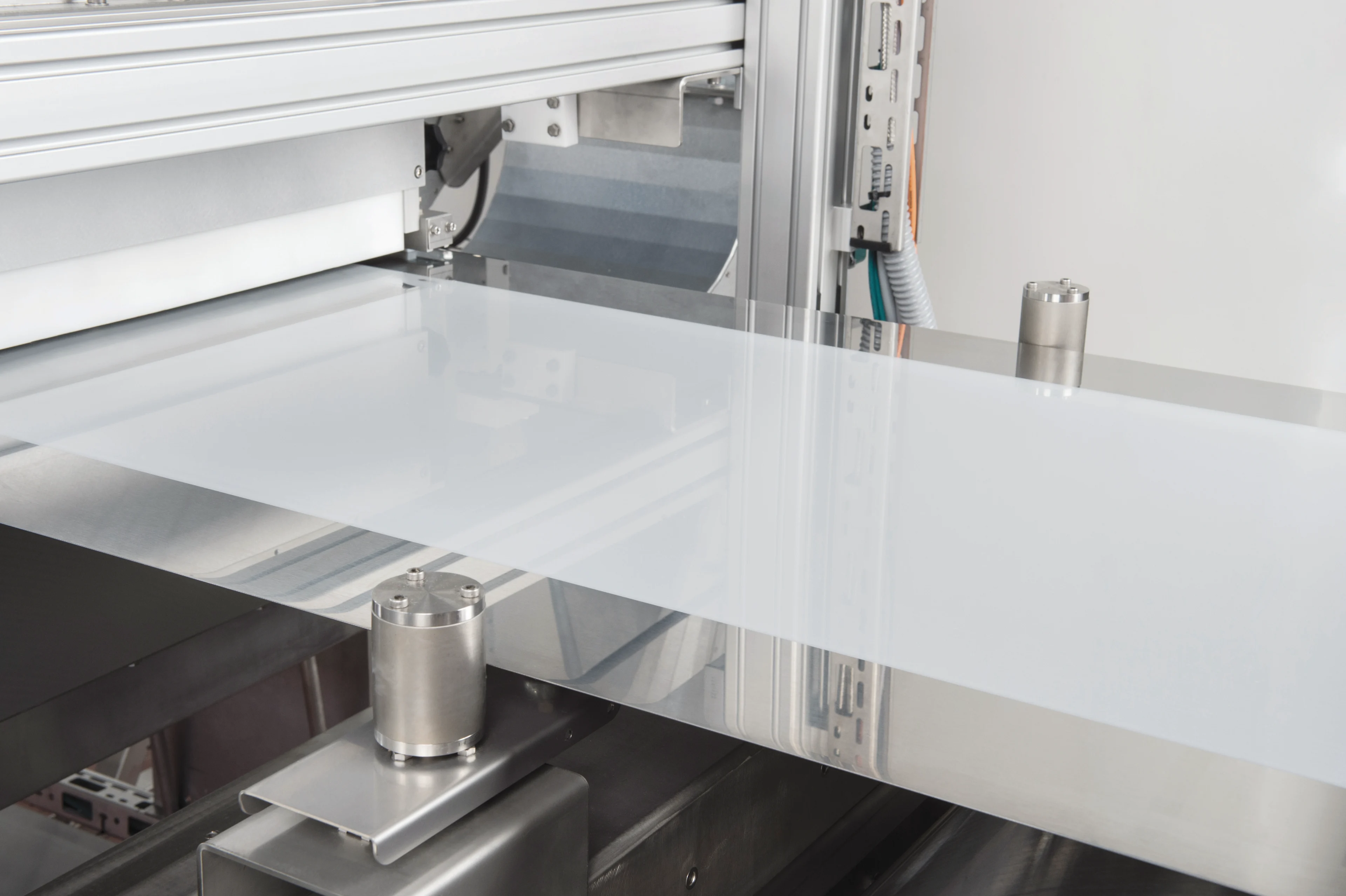
Thin film liquid casting systems
IPCO single-belt thin film casting combines high-precision, super-mirror-polished steel belts with advanced drying technologies. The result is a method for continuous solution casting thin film, tape and membranes to extremely fine tolerances.
Continuous process, outstanding results
Our thin film method of liquid casting uses a slot die to deliver a homogeneous layer of liquid product onto a precision-engineered steel belt with outstanding consistency of thickness. One or more evaporation or separation processes then converts the liquid into a stable product of the highest quality.
This highly accurate steel belt casting and drying system can be used to make film from materials such as polyimide that cannot be thermoformed. It is also widely used to manufacture high-precision products such as optical films, ceramic tapes, and for membranes.
Typical cast film applications include:
Filter membrane (nitrocellulose)
Applications: filters for pharmaceutical and food applications
Film thickness: 10–100 μm
Ceramic tape (polymer resins)
Applications: semiconductors, fuel cells, solar cells
Film thickness: 200– 500μm
Edible films (soluble polymers)
Applications: pharmaceutical capsules, pills, packing
Film thickness: 20–50 μm
Optical films (PI, TAC)
Applications: LCD top film
Film thickness: 30–200 μm
Battery film
Applications: Battery separators
Film thickness: 10–50 μm
Thin film casting system credentials
High precision
+/- 1.0 mm
Belt tracking
Accurate
+/- 1 K
Heating/cooling
Energy efficient
Up to 85%
Belt heating efficiency
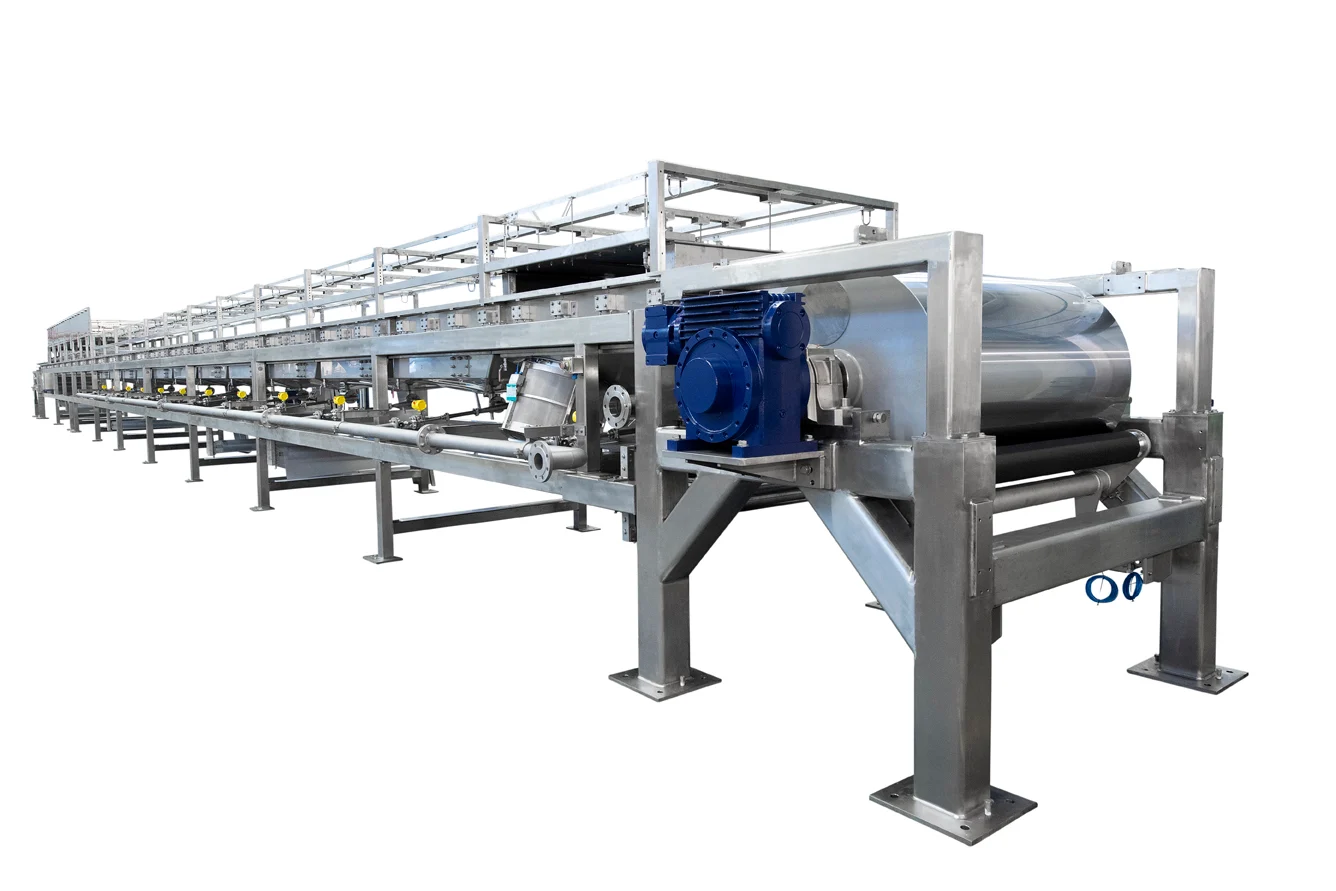
How it works
IPCO thin film casting: controlled heating, evaporation and drying
The slot die caster delivers a uniform casting of liquid product onto a moving, super-mirror-polished steel belt. High-precision engineering and a small gap between the die and belt means the thickness of the film can be set to fine tolerances.
The liquid casting layer is transported through a series of controlled phases. This involves heat and mass transfer in the evaporation process or a controlled phase separation process in a precipitation section.
The solid formed product is removed from the belt, in either final or “green” form, the latter requiring further processing such as post drying, leaching or stretching.
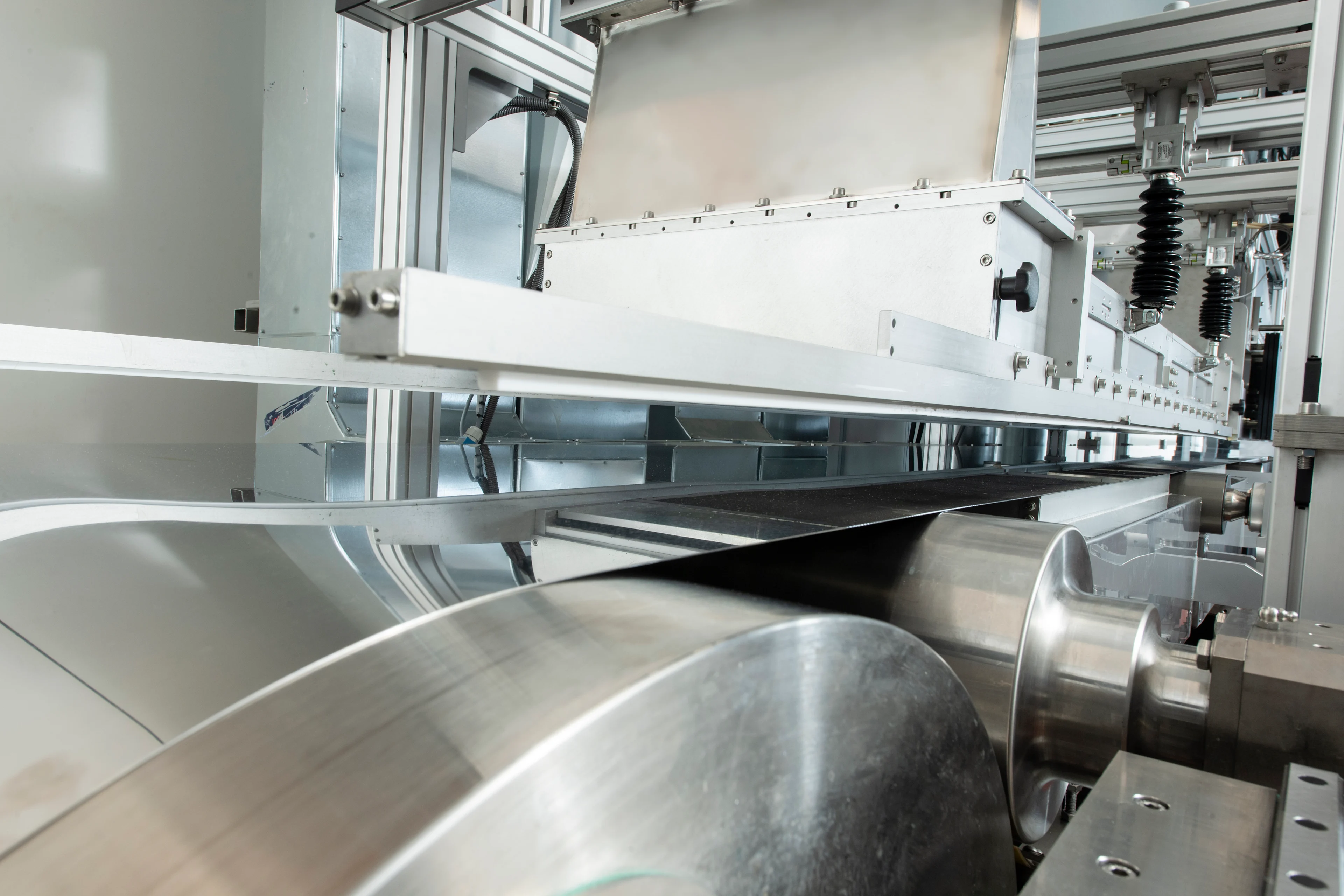
How it works
Precision in steel belt manufacturing
The need for an extremely small gap between the belt and slot die means the steel belt – and the drum that drives it – must both be manufactured to precise tolerances. The process also relies on the heat transfer qualities of the steel belt, so consistency of thickness is equally important.
Polished steel belts used for thin film systems are manufactured to a thickness accurate to within ±10 µm and we can supply polishing grades to deliver a surface as fine as Ra <±0.1 µm.
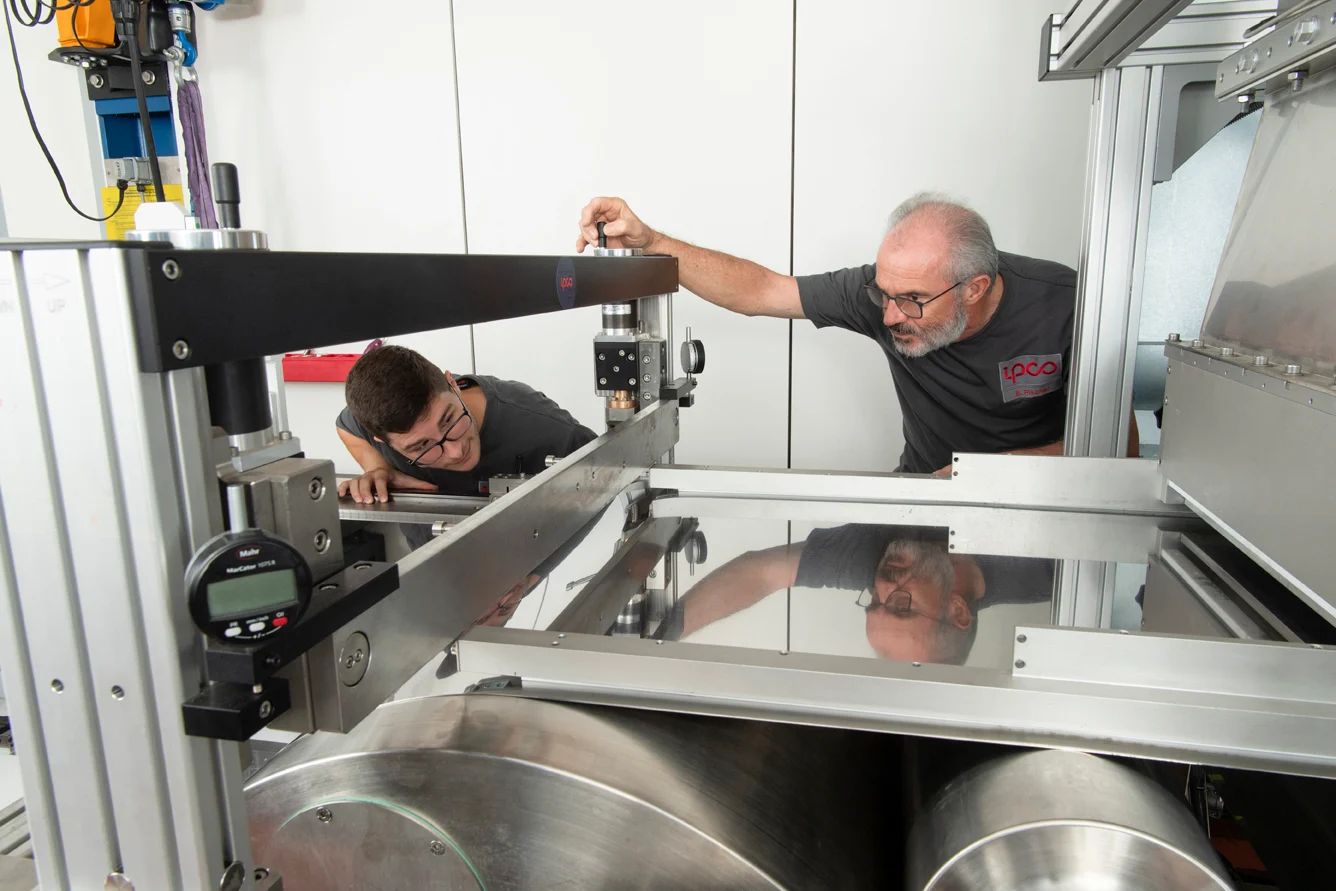
How it works
Integrated system design
Powerful forces are applied to ensure that these belts remain flat and stable during the film production process. This requires a robust hydraulic belt tensioning system, together with sophisticated belt tracking to keep the belt within narrow straight-run tolerances.
Benefits
Continuous production of very thin films to high quality
Ultra-efficient continuous production
Ability to cast very thin films from 10–500 μm
Film thickness/flatness to fine tolerances
High clarity and low stress of the formed film
Multiple process zones on the same machine
Complete polymerization
Ability to produce films from materials that cannot be thermoformed (e.g. polyimide)
Use this solution for
Processes supported
Portfolio showcase
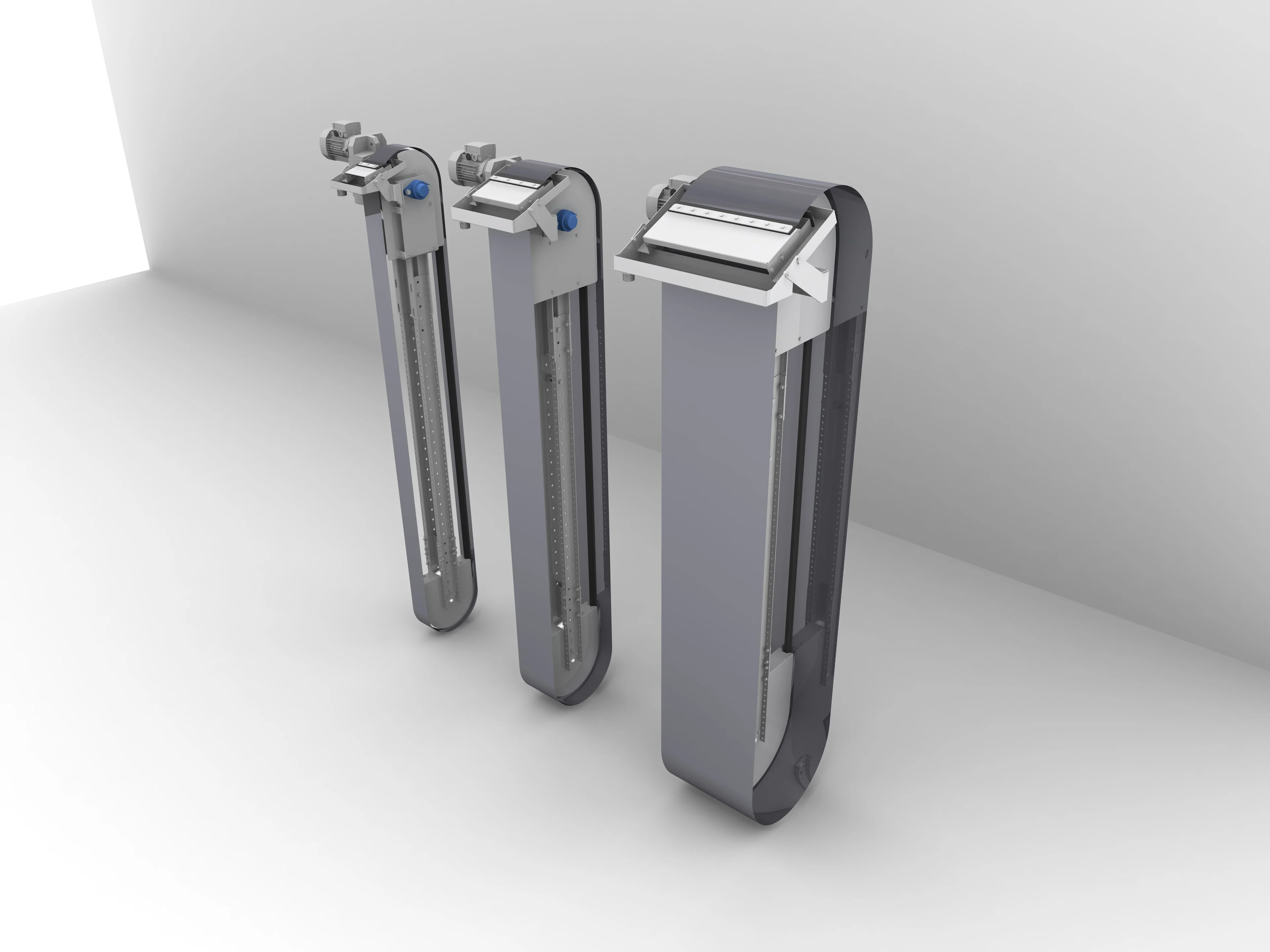
Our ScatterPro portfolio

Engage
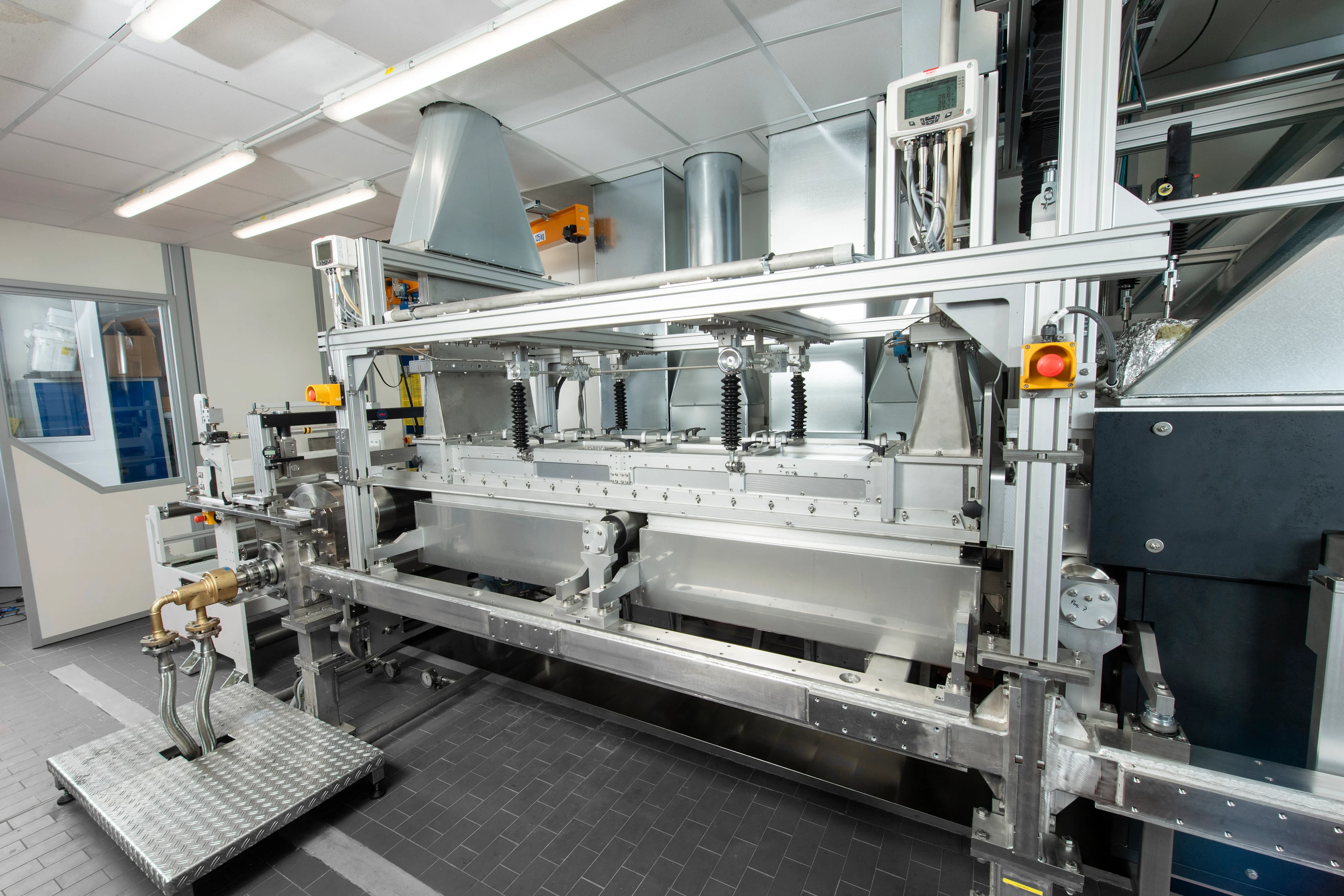
Explore IPCO

Industries
We use our expertise in each industry to design cutting-edge production equipment that meets our customers’ needs.

Processes
We make industrial processes smoother and more efficient, for today and tomorrow.
Service and support
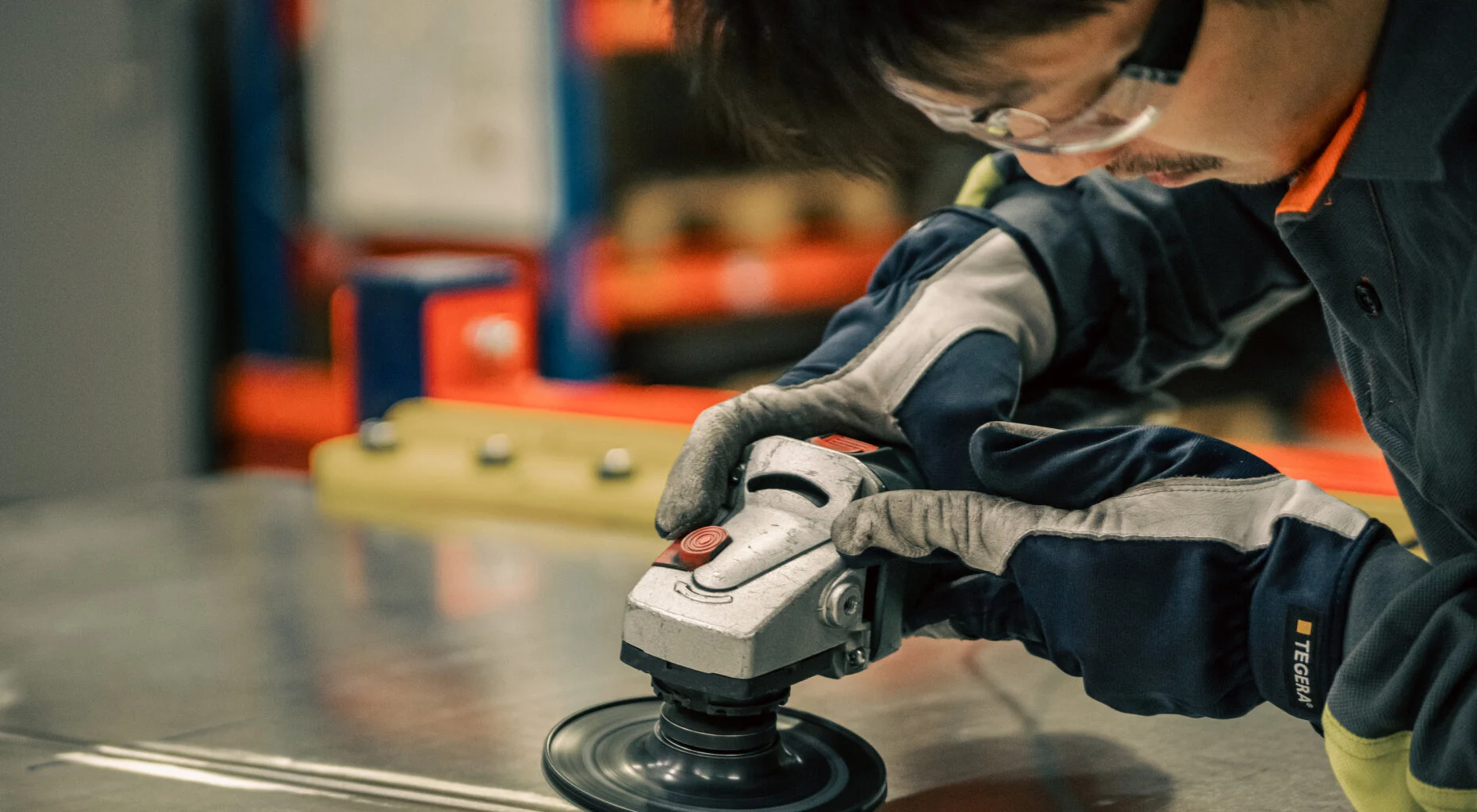
Our global presence ensures that no matter where you are, your manufacturing technology can keep performing at its best, thanks to top-tier service and expertise locally.
Productivity centers
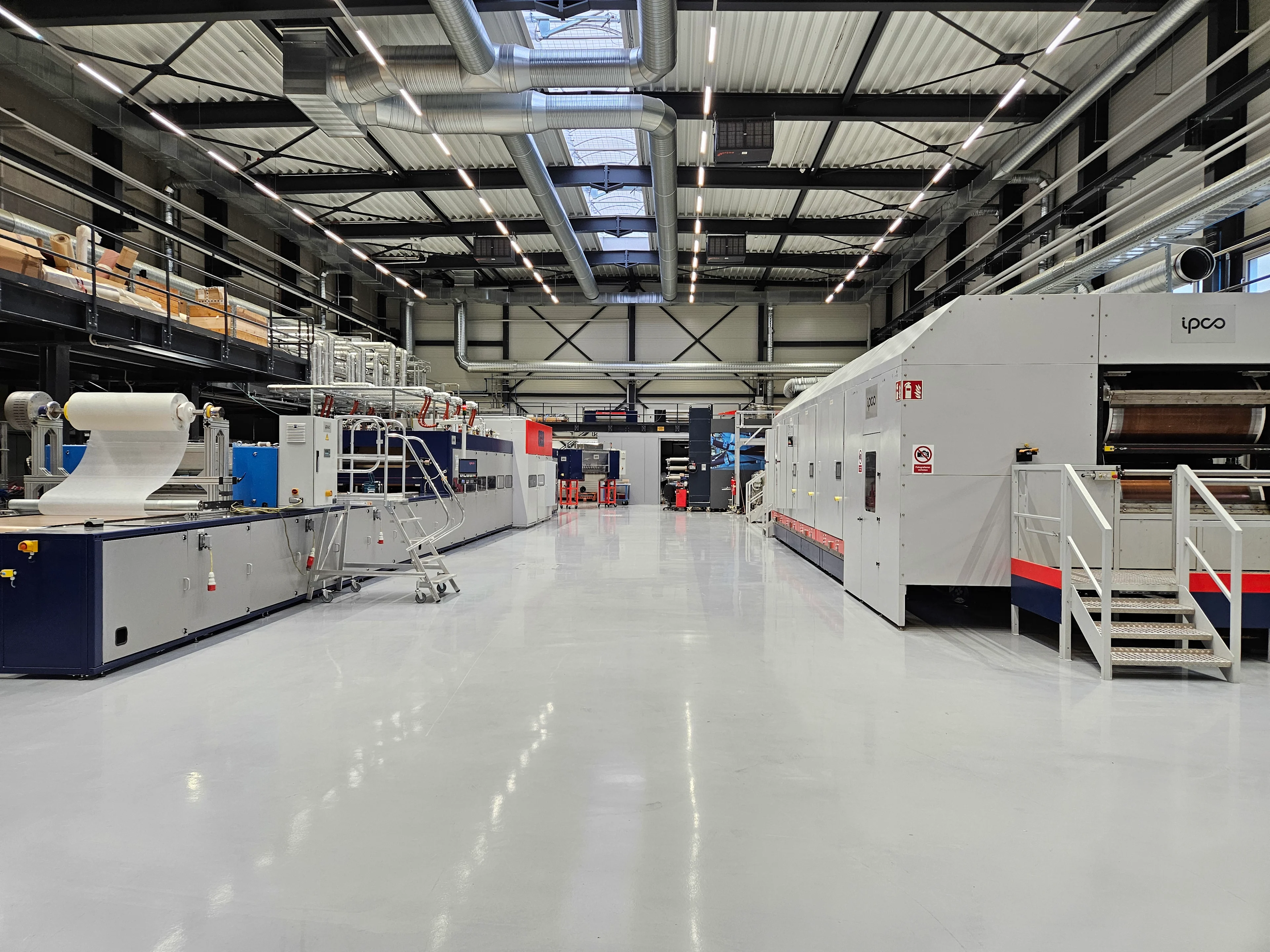
Work with the experts at our productivity centers to develop your materials and processes into new business opportunities.
Get in touch
We believe strongly in collaboration and love to share our knowledge and experience. Fill out the form, and one of our experts will contact you shortly.